

Dates are among the oldest cultivated fruits in human history, cherished for their sweetness, nutrition, and cultural significance. For centuries, farmers across the Middle East, North Africa, and parts of Asia have nurtured date palms to produce buah kurma that enrich diets and economies. Today, Pemborong kurma — wholesale distributors of dates — play a crucial role in connecting farmers to global markets. But behind every box of dates lies a story of careful cultivation, labor-intensive harvesting, and the many challenges farmers face in sustaining this ancient crop.
The Origins and Importance of Date Cultivation
Date palms (Phoenix dactylifera) thrive in arid and semi-arid regions, making them a staple crop in countries such as Saudi Arabia, Iran, Egypt, and the United Arab Emirates. The fruit is not only a dietary staple but also a cultural symbol, often consumed during religious occasions like Ramadan. Buah kurma is prized for its high energy content, natural sugars, and essential minerals.
Pemborong kurma ensures that these fruits reach international markets, where demand continues to grow. The global appetite for dates has expanded beyond traditional consumers, with health-conscious buyers appreciating their natural sweetness as an alternative to processed sugar.

How Dates Are Cultivated
Date cultivation is a long-term commitment. A date palm can take 4–8 years before producing fruit, and optimal yields are achieved only after 10 years. Farmers must carefully manage soil, water, and climate conditions to ensure healthy growth.
Climate and Soil Requirements
Date palms thrive in hot, dry climates with minimal rainfall. They require long summers with high temperatures and mild winters. Sandy loam soil with good drainage is ideal, as waterlogged conditions can damage roots. Farmers often plant palms in oases or irrigated fields to balance the need for water with the risk of root rot.
Propagation Methods
Farmers propagate date palms through offshoots rather than seeds to maintain fruit quality. Offshoots are small shoots that grow at the base of mature palms. By transplanting these, farmers ensure genetic consistency and preserve desirable traits such as sweetness, texture, and yield.
Irrigation Practices
Water management is critical. Traditional methods include flood irrigation, while modern farms use drip irrigation to conserve water. In regions where water scarcity is a challenge, farmers must balance the palm’s high water needs with sustainable practices.
The Growth Stages of Dates
Dates undergo several stages of development before reaching maturity.
Kimri Stage
This is the initial stage when the fruit is green and hard. At this point, it is not edible. Farmers monitor growth closely to ensure palms receive adequate nutrients.
Khalal Stage
The fruit turns yellow, red, or orange depending on the variety. It becomes edible but is still firm and less sweet.
Rutab Stage
Known as kurma rotab, this stage is when dates soften and develop their characteristic sweetness. They are highly prized for their delicate texture and flavor.
Tamar Stage
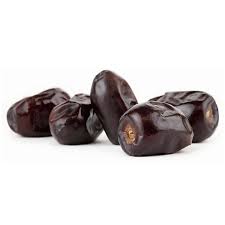
This is the fully ripened stage, where dates become dark, wrinkled, and intensely sweet. Tamar dates are commonly dried and stored for long-term use.
Harvesting Dates
Harvesting dates is a labor-intensive process that requires skill and timing.
Manual Harvesting
Farmers often climb tall palms using ropes or ladders to cut date clusters. This is dangerous and requires physical strength. In some regions, mechanical lifts are used to reduce risks.
Sorting and Grading
After harvesting, dates are sorted based on size, color, and ripeness. High-quality buah kurma is reserved for fresh consumption, while lower grades may be processed into syrups, pastes, or animal feed.
Storage and Packaging
Dates must be carefully stored to prevent spoilage. Modern facilities use cold storage and vacuum packaging to extend shelf life. Pemborong kurma plays a vital role in distributing these packaged dates to retailers worldwide.
Challenges Farmers Face in Growing Dates
Despite their resilience, date palms present several challenges to farmers.
Water Scarcity
Date palms require significant water, but many regions where they grow face droughts and declining groundwater. Farmers must adopt efficient irrigation systems to sustain yields.
Pests and Diseases
Date palms are vulnerable to pests such as the red palm weevil and diseases like Bayoud disease. These can devastate plantations if not managed properly. Farmers often rely on integrated pest management strategies to protect crops.
Labor Intensity
Harvesting dates is physically demanding and often dangerous. Farmers struggle to find skilled labor willing to climb tall palms. Mechanization helps but is costly.
Market Fluctuations
Global demand for buah kurma is rising, but farmers face price fluctuations due to oversupply, competition, and trade restrictions. Pemborong kurma helps stabilize markets by connecting farmers to diverse buyers.
Climate Change
Rising temperatures and unpredictable weather patterns threaten date cultivation. Heatwaves can damage fruit quality, while unexpected rains during harvest can cause spoilage.
The Role of Pemborong Kurma in the Supply Chain
Pemborong kurma acts as a bridge between farmers and consumers. By purchasing dates in bulk, they provide farmers with stable income and ensure consistent supply to markets. They also invest in modern storage and logistics, reducing post-harvest losses.
Buah kurma and kurma rotab reach international shelves thanks to these distributors, who understand consumer preferences and market trends. Their role is increasingly important as demand grows in regions unfamiliar with traditional date farming.
Innovations in Date Farming
To overcome challenges, farmers and distributors are adopting new technologies.
Modern Irrigation Systems
Drip irrigation and moisture sensors help conserve water while ensuring palms receive adequate hydration.
Pest Control Innovations
Biological control methods, such as introducing natural predators, reduce reliance on chemical pesticides.
Mechanized Harvesting
Mechanical lifts and automated sorting systems reduce labor costs and improve efficiency.
Genetic Research
Scientists are developing disease-resistant varieties of date palms to safeguard future yields.
Cultural and Economic Significance of Dates
Dates are more than just food; they are woven into the cultural fabric of many societies. From religious rituals to traditional medicine, buah kurma holds symbolic value. Economically, date farming supports millions of livelihoods across the Middle East and beyond. Pemborong kurma ensures that this cultural heritage is shared globally.
Conclusion
Date cultivation and harvesting are ancient practices that continue to sustain communities today. Farmers face challenges ranging from water scarcity to climate change, yet their resilience ensures that buah kurma remains a staple worldwide. Pemborong kurma plays a vital role in connecting these farmers to international markets, ensuring that kurma rotab and other varieties reach consumers in peak condition. As innovations in farming and distribution evolve, the future of date cultivation looks promising, preserving both tradition and modern demand.